_edited.png)
Mapping the Five-Year Aesthetic Roadmap: How Salem Patients Plan Treatments Around Life Milestones
- cortesaesthetics
- 3 days ago
- 5 min read
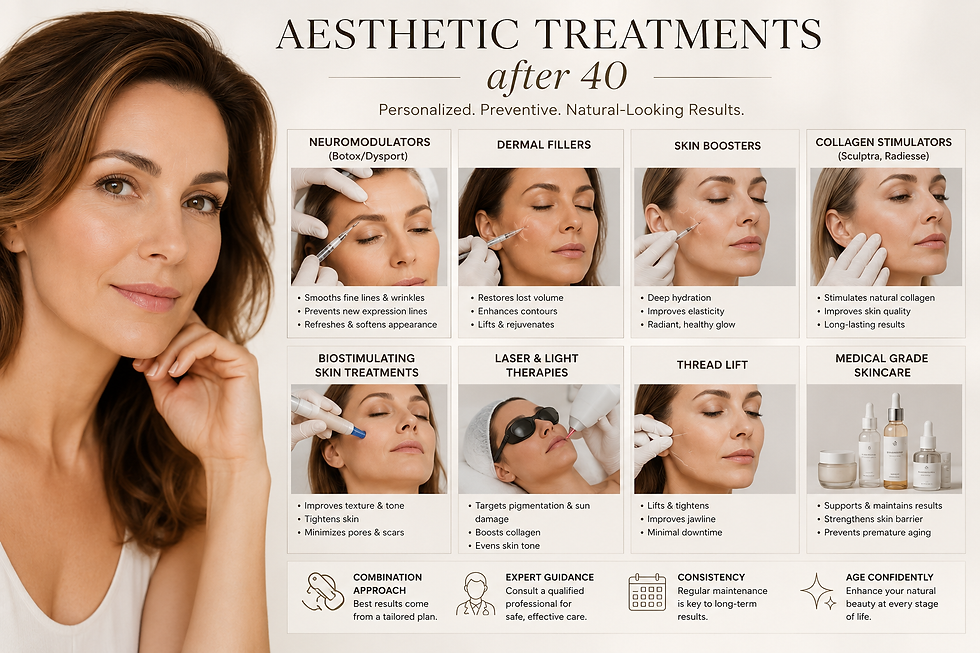
Aesthetic medicine has shifted from isolated cosmetic procedures toward comprehensive long-term planning. Rather than selecting treatments only when a specific concern appears, many patients now work with experienced providers to develop multi-year strategies that support healthy aging, preserve natural facial harmony, and align treatment timing with important personal milestones.
A five-year aesthetic roadmap does not involve scheduling every future procedure in advance. Instead, it provides a flexible framework that evolves as facial anatomy, skin quality, lifestyle, and personal priorities change over time. This proactive approach allows patients to make thoughtful decisions while avoiding unnecessary or reactive treatment.
At Cortes Aesthetics in Salem, Oregon, personalized treatment planning begins with a comprehensive evaluation of facial anatomy, skin health, medical history, and long-term goals. Every recommendation is designed to support natural-looking results while adapting to each patient's unique stage of life.
Why Long-Term Planning Matters
Facial aging occurs gradually through a combination of structural, biological, and environmental changes.
Planning ahead allows providers to address these changes strategically instead of responding only after they become more noticeable.
Long-term planning may help support:
Consistent facial harmony
Gradual collagen preservation
Healthy skin quality
Balanced treatment progression
Realistic expectations
Individualized care
Better coordination between procedures
A roadmap emphasizes thoughtful timing rather than excessive treatment.
Understanding the Aging Process
Facial aging affects multiple anatomical structures simultaneously.
These include:
Skin
Fat compartments
Ligaments
Facial muscles
Bone structure
Collagen
Elastin
Because these tissues age at different rates, treatment planning should consider the entire face instead of isolated concerns.
Building a Personalized Baseline
Every long-term plan begins with a detailed consultation.
Comprehensive evaluation may include:
Medical history
Facial anatomy
Skin quality
Lifestyle habits
Previous treatments
Sun exposure history
Collagen health
Personal aesthetic goals
Establishing a baseline helps providers monitor changes over time and adjust recommendations as needed.
Defining Personal Aesthetic Goals
Patients often have different motivations for seeking treatment.
Goals may include:
Maintaining natural appearance
Improving skin quality
Supporting healthy aging
Addressing early facial changes
Enhancing facial balance
Building confidence
Preparing for future life events
Clearly identifying priorities allows treatment recommendations to remain patient centered.
Planning Around Life Milestones
Many aesthetic decisions naturally align with significant life events.
Examples may include:
Career advancement
Professional photography
Weddings
Anniversaries
Family celebrations
Graduation events
Personal achievements
Retirement
Planning ahead allows adequate time for consultation, treatment, and recovery when appropriate.
Prioritizing Skin Health First
Healthy skin serves as the foundation of every aesthetic plan.
Long-term skincare strategies may include:
Daily sunscreen
Medical-grade skincare
Antioxidant protection
Retinoid therapy when appropriate
Professional skin evaluations
Hydration
Lifestyle optimization
Maintaining skin health supports both procedural and non-procedural treatments.
Creating a Preventative Strategy
Preventative aesthetic care focuses on preserving healthy tissue before advanced aging develops.
Depending on clinical evaluation, preventative planning may emphasize:
Collagen support
Skin quality maintenance
Sun protection
Facial balance
Healthy lifestyle habits
Regular skin assessments
Preventative care differs from aggressive intervention and emphasizes gradual maintenance.
Sequencing Treatments Thoughtfully
Some treatments complement one another more effectively when performed in a specific sequence.
Planning may consider:
Recovery time
Seasonal scheduling
Skin healing
Collagen remodeling
Treatment compatibility
Lifestyle commitments
Individual priorities
Thoughtful sequencing helps maximize both safety and long-term outcomes.
Adapting the Roadmap Over Time
An aesthetic roadmap is designed to remain flexible.
Treatment recommendations may change because of:
Natural aging
Lifestyle changes
Medical history updates
New aesthetic goals
Technological advances
Skin response
Personal preferences
Periodic reassessment ensures the plan continues to reflect each patient's evolving needs.
Considering Facial Harmony
Rather than focusing on individual features, long-term planning evaluates overall facial balance.
Providers assess relationships between:
Forehead
Eyes
Cheeks
Nose
Lips
Chin
Jawline
Neck
Maintaining facial harmony often creates more natural results than treating isolated areas independently.
Integrating Wellness Into Aesthetic Planning
Overall wellness influences skin quality and healthy aging.
Long-term recommendations may include:
Balanced nutrition
Regular exercise
Hydration
Stress management
Healthy sleep
Smoking avoidance
Weight stability
Healthy lifestyle habits support the longevity of aesthetic outcomes.
Monitoring Progress Over Five Years
Regular follow-up appointments allow providers to evaluate subtle changes that develop gradually.
Progress monitoring may include:
Facial photography
Skin quality assessment
Collagen evaluation
Treatment response
Lifestyle review
Goal refinement
Maintenance planning
These assessments allow recommendations to evolve appropriately over time.
Managing Expectations
Successful long-term planning depends on realistic expectations.
Patients should understand:
Aging continues naturally
Maintenance supports longevity
Results vary between individuals
Treatment timing matters
Lifestyle influences outcomes
Personalized care remains essential
Open communication encourages informed decision-making throughout every stage of the roadmap.
Personalized Planning for Salem Patients
Patients seeking aesthetic treatment planning in Salem, Oregon increasingly value comprehensive strategies that extend beyond individual cosmetic procedures. A five-year roadmap allows providers to coordinate treatments according to facial anatomy, skin health, personal priorities, and important life milestones while maintaining a natural appearance.
At Cortes Aesthetics, every consultation begins with a thorough evaluation that considers current concerns alongside future goals. This proactive planning process helps patients make thoughtful decisions while preserving facial harmony and supporting healthy aging over time.
For many individuals in Salem, personalized planning provides greater confidence than reacting to changes as they appear.
Why Comprehensive Consultation Matters
Long-term aesthetic planning requires careful clinical evaluation.
Experienced providers contribute by:
Performing detailed facial assessments
Evaluating skin quality
Reviewing medical history
Understanding patient priorities
Developing individualized timelines
Monitoring long-term progress
Adjusting recommendations as facial changes occur
Professional guidance helps ensure that treatment decisions remain balanced, conservative, and aligned with each patient's evolving goals.
Five-Year Planning Encourages Consistency
A structured roadmap also promotes consistency in care by helping patients approach aesthetic medicine with long-term perspective instead of short-term decision-making.
Benefits of a structured plan may include:
Better treatment coordination
More predictable maintenance schedules
Improved budgeting for future care
Reduced need for reactive treatment
Ongoing evaluation of facial changes
Greater confidence in long-term decisions
Stronger patient-provider collaboration
A flexible roadmap creates opportunities to make informed choices while adapting to changing priorities throughout different stages of life.
Conclusion
A five-year aesthetic roadmap provides a thoughtful framework for supporting healthy aging, preserving facial harmony, and aligning treatment decisions with important personal milestones. Rather than focusing on isolated cosmetic concerns, long-term planning emphasizes individualized care, gradual maintenance, and realistic expectations that evolve alongside each patient's needs.
Every face ages differently, making comprehensive assessment the foundation of successful treatment planning. Through ongoing evaluation, personalized recommendations, and a commitment to natural-looking results, patients can approach aesthetic medicine with confidence and a clear understanding of their long-term goals.
If you are interested in creating a personalized aesthetic roadmap, schedule a consultation with Cortes Aesthetics in Salem, Oregon. A comprehensive facial assessment can help develop a customized five-year treatment strategy designed to support healthy skin, facial balance, and lasting confidence through every stage of life.
Instagram: https://www.instagram.com/cortes_aesthetics/


Comments